Thinking about a move to Prince Frederick, MD? If you want more space, a quieter pace, and weekend access to the Chesapeake Bay, this Calvert County hub often checks the boxes. You also want a practical picture of daily life, from commuting and schools to parks, shopping, and healthcare. This guide gives you a clear, local view so you can decide if Prince Frederick fits your lifestyle and budget. Let’s dive in.
Prince Frederick at a glance
Prince Frederick is the county seat of Calvert County, so you’re close to government services, the courthouse, the library branch, and community events. The core feels small-town with local businesses, while the outskirts offer suburban neighborhoods and rural properties. Most daily errands are car-based, with the best walkability near downtown.
Here’s a quick daily-life snapshot:
- Commute: Driving is the norm. Public transit options exist, but they are limited compared with inner suburbs.
- Errands: Grocery, pharmacy, and big-box options sit along main corridors; downtown has local shops and dining.
- Weekends: Hike, kayak, fish, or hunt fossils nearby. Many residents plan regular Bay time.
- Community vibe: Civic services and county events anchor a friendly, small-town feel.
Neighborhoods and housing types
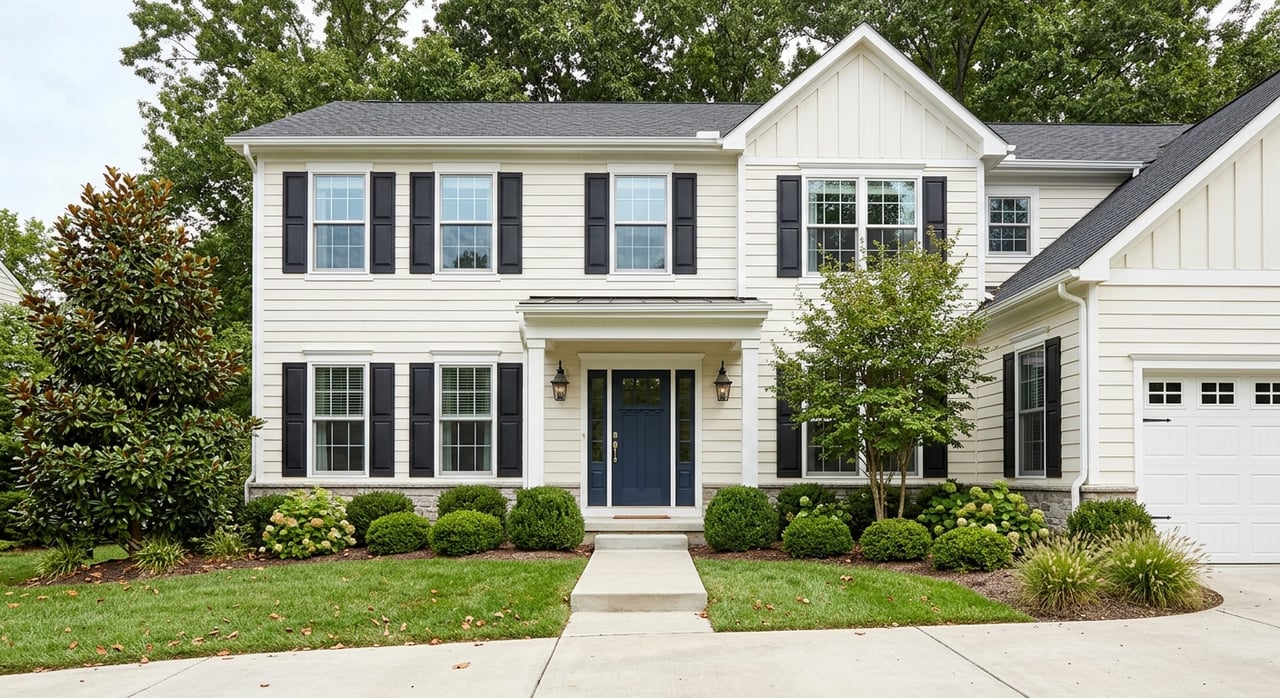
You’ll find a wide mix of housing across Prince Frederick and its nearby areas. Most homes are single-family in subdivisions, with some townhomes and a small commercial downtown. Lot sizes tend to be larger than closer-in D.C. suburbs, and surrounding parts of Calvert County include farmland and acreage.
If you prefer a more walkable setting, focus near the town core. If you want privacy and a bigger yard, you’ll look to subdivisions just outside town or rural stretches in the county. Building ages range from older homes near downtown to neighborhoods developed since the 1990s and 2000s.
Schools and family resources
Prince Frederick is served by Calvert County Public Schools. Specific school assignments depend on your address, so you should confirm boundaries directly with the district. For neutral performance and program information, review state data on the Maryland School Report Card.
You’ll find a mix of childcare options, including private centers and family providers. The local Calvert Library branch hosts children’s programs and study space, and county recreation departments run youth sports and seasonal activities.
Getting around and commuting
Driving is the primary way residents get to work, run errands, and reach regional job centers. Many people commute to places like Washington, Annapolis, Fort Meade, or Solomons and the Patuxent River area. Commute times vary widely with traffic and destination. For high-level context, the U.S. Census tracks regional patterns of how people travel to work on its commuting data pages.
Public transit options are limited but useful for some riders. Calvert County operates local transit and paratransit; check the county’s transportation pages on the Calvert County Government site for current routes and eligibility. For regional connections, review commuter bus routes through the Maryland Transit Administration. There is no passenger rail station in Prince Frederick; the nearest rail options are outside Calvert County.
Walkability is best in downtown Prince Frederick. Bicycle infrastructure is limited, though you can find county-level trails and paths on local maps. Most residents rely on a car for groceries, school runs, and commuting.
Parks, trails, and Bay access
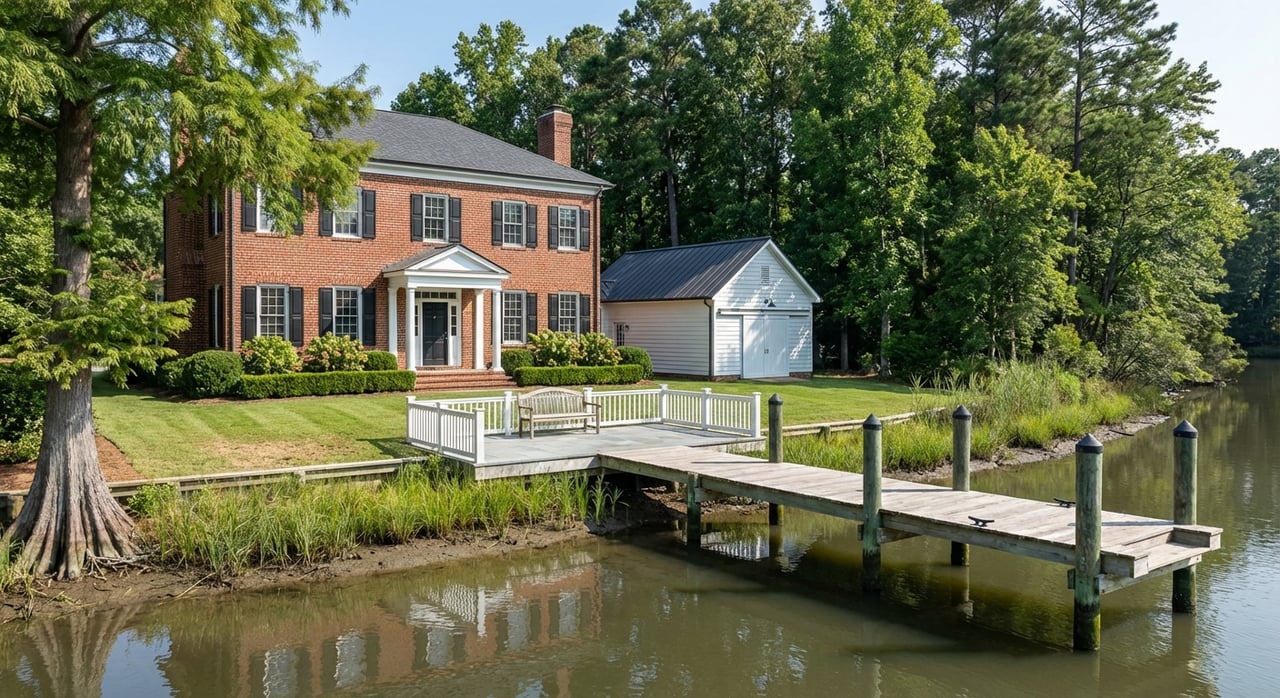
Living in Prince Frederick puts you close to the Chesapeake Bay and a wide range of outdoor activities. Popular options include boating, fishing, crabbing, kayaking, and shoreline walks.
A standout day trip is Calvert Cliffs State Park, known for scenic cliffs, hiking trails, and fossil hunting on the beach. You’re also a short drive from waterfront spots like Solomons Island, which offer marinas, restaurants, and seasonal events.
County parks add ballfields, playgrounds, picnic areas, and small neighborhood spaces. Seasonal programming serves youth and adults, and conservancy lands across the region attract hikers and birders.
Shopping, dining, and services
You’ll find both local flavor and everyday convenience in town. Downtown offers independent restaurants, cafés, and small shops. Along major corridors, larger retail centers and grocery stores make weekly errands easy. For specialty shopping and broader dining choices, many residents drive to larger regional hubs.
Healthcare is a strong local asset. The CalvertHealth Medical Center is located in town and offers hospital and clinical services for the area. Explore services and specialties on the CalvertHealth site.
Costs, taxes, and utilities
Affordability varies by neighborhood, age of home, and lot size. Single-family homes dominate the market, including newer subdivisions and older in-town properties. Property tax rates and county levies factor into your monthly costs; consult county and state resources when you compare homes.
If you are shopping near the Bay or tidal creeks, review flood-zone status and potential insurance needs. You can start with the FEMA Flood Maps and confirm details with local planning and your insurance professional.
Utilities can differ by location. In-town homes may have public water and sewer, while outlying areas often use private well and septic. Broadband availability varies by provider, which is important for remote workers.
Lifestyle tradeoffs to weigh
Every market has pros and cons. In Prince Frederick, many buyers choose space and a quieter setting over an urban lifestyle.
Pros:
- Quieter, small-town feel with community services close by
- Access to Chesapeake Bay recreation and county parks
- Larger lots and lower density than many inner suburbs
Potential tradeoffs:
- Longer commutes to major job centers
- Limited public transit options
- Fewer late-night dining and entertainment choices
Is Prince Frederick right for you?
If you want a suburban-rural balance with weekend access to the Bay and a strong local services core, Prince Frederick is worth a close look. Focus your search on the setting that fits your lifestyle, whether that is a walkable area near downtown, a subdivision with a larger yard, or a rural property in the county.
When you are ready to explore specific neighborhoods, school boundaries, commute options, and flood-zone details for the homes you like, connect with a local guide who knows the market inside and out. To talk through your plans, schedule a chat with Samantha Bowling.
FAQs
Is Prince Frederick walkable for daily errands?
- Walkability is strongest near downtown; most errands elsewhere are car-dependent, with suburban retail centers along main corridors.
What are the school options in Prince Frederick, MD?
- Prince Frederick is served by Calvert County Public Schools; confirm assignments with the district and review neutral data on the Maryland School Report Card.
How do residents commute to D.C. or Annapolis from Prince Frederick?
- Most people drive; limited local and commuter buses exist via the Maryland Transit Administration and county transit listed on the Calvert County Government site.
What healthcare services are in town?
- The CalvertHealth Medical Center in Prince Frederick serves the county, with hospital and outpatient services detailed on the CalvertHealth site.
Are flood risks a concern for homes near the Bay?
- If a property is close to the Bay or tidal creeks, check its flood-zone status and potential insurance needs on the FEMA Flood Maps.
Where can I review local crime data for Calvert County?
- For context, review national reporting through the FBI’s Crime Data Explorer (NIBRS) and consult local law-enforcement reports for current neighborhood-level information.