Thinking about selling a waterfront or acreage property in Port Tobacco and not sure where to start? These homes are special, and buyers will ask detailed questions about docks, septic systems, flood zones, and permits. With a clear plan, you can answer those questions up front, attract qualified buyers, and protect your price. This guide walks you through what to prepare, how to market, and which rules matter most so you can sell with confidence. Let’s dive in.
Why Port Tobacco homes sell differently
Port Tobacco sits along the Port Tobacco River, a tidal tributary of the Potomac, with many parcels inside the Chesapeake Bay watershed and local Critical Area overlays. You are selling both a home and access to a unique setting shaped by shoreline, wildlife, and water. That setting carries added permitting and disclosure steps that smart buyers will evaluate. Knowing the rules and gathering documents early can shorten time on market and help your home appraise cleanly.
For quick local context on the village and river setting, review the overview of Port Tobacco Village. For regulations that shape waterfront use, Charles County’s Critical Area rules outline buffers, piers, and mitigation requirements you should understand before listing. You can review those county rules here: Charles County Critical Area code.
What drives value for waterfront and acreage
Water access and dock details
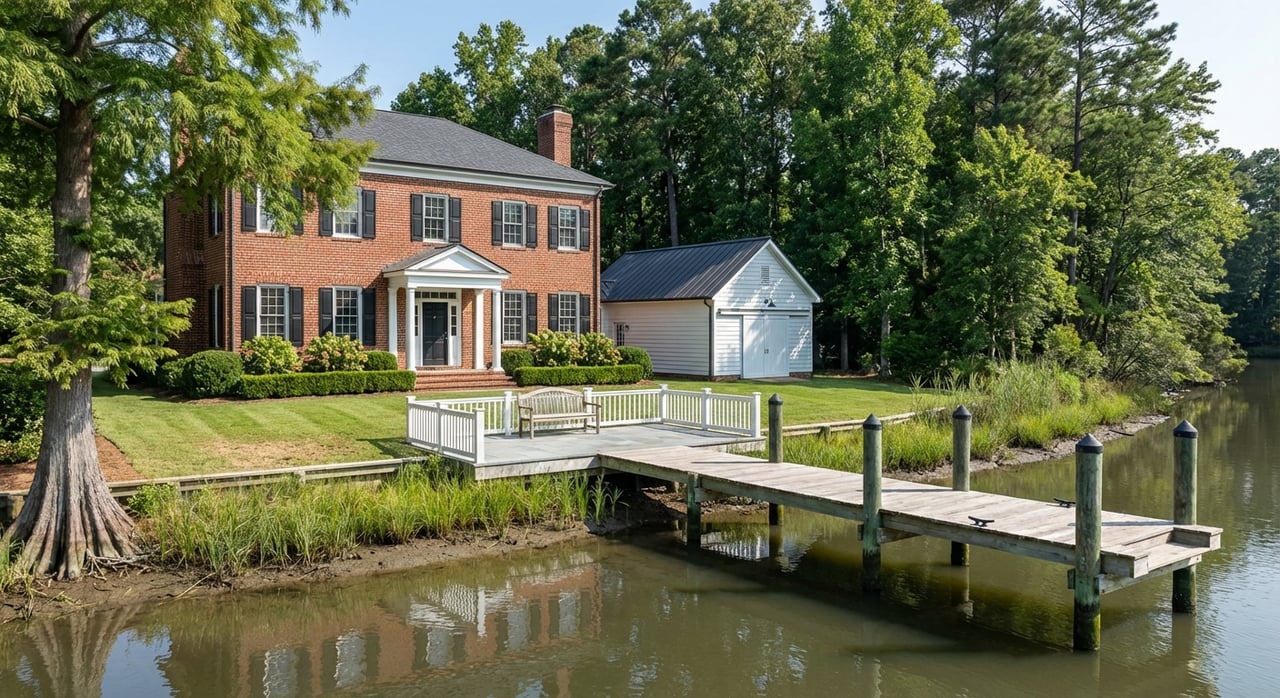
Buyers focus on the type and quality of access. A private dock, shared or community pier, or deeded rights can change your price and buyer pool. Navigable depth and safe, year-round access are typically more valuable than shallow or tidal-limited access. County policies also set limits on slip density and community piers, so know what is allowed for your shoreline. See the Critical Area code for baseline rules.
Shoreline condition and permits
Shoreline structures like docks, bulkheads, boatlifts, and living shorelines usually require permits. Buyers look for evidence of permitted work and safe condition. If you plan repairs, confirm what is allowed and document it for your listing. The Maryland Department of the Environment explains the process and living shoreline options here: MDE Wetlands & Waterways.
Flood exposure and elevation
Flood zones and elevation relative to Base Flood Elevation influence insurance costs and lender requirements. Providing a current Elevation Certificate or flood map details can reduce buyer uncertainty and speed underwriting. Check your property’s official flood zone through the FEMA Flood Map Service Center.
Septic and private well status
Condition, age, and service history of on-site septic and wells are make-or-break details for many rural buyers. In Maryland, grant programs may help with upgrades to nitrogen-reducing BAT systems, and Charles County operates reimbursement programs that are useful to disclose. Review local programs and gather records here: Charles County septic programs.
Usable acreage and outbuildings
Acreage buyers care about how land functions day to day. Cleared fields, paddocks, riding rings, access roads, and permitted outbuildings all add clarity and appeal. Marking trails, mowing viewing paths, and cleaning barns or sheds help buyers visualize their lifestyle and can improve showing outcomes.
Permits and rules to know
Critical Area buffers and community piers
Many tidally influenced parcels in Port Tobacco fall under a 100-foot Critical Area buffer that limits disturbance near the shoreline. Private piers, community piers, and specific access features may be allowed, often with mitigation or a Buffer Management Plan. Review allowances and slip-density limits in the Charles County Critical Area code.
Docks, bulkheads, and living shorelines
Most construction or repair to docks, bulkheads, and shoreline stabilization requires state authorization, and some projects are covered by federal programmatic permits. Routine repairs and living shoreline projects can follow different paths than enlargements. Start with MDE guidance on permits and shoreline best practices at MDE Wetlands & Waterways and see the U.S. Army Corps’ Maryland programmatic permit overview here: USACE MD SPGP.
Flood maps and elevation certificates
If the home is in a Special Flood Hazard Area, lenders will usually require flood insurance. An Elevation Certificate from a licensed surveyor can clarify risk and reduce premiums in some cases. Pull official maps and documentation from the FEMA Flood Map Service Center.
Required Maryland disclosures
Maryland sellers must provide either a Residential Property Disclosure or a Residential Property Disclaimer, which covers water and sewer type, septic, wells, and other material facts. Complete it carefully and include known histories of docks, bulkheads, shoreline work, flood events, and septic maintenance. Read the statute here: Maryland Real Property §10-702.
Pre-listing steps that pay off
- Pull key documents early. Gather your deed and any recorded riparian rights or easements, past shoreline permits, septic permits and pump-out records, surveys, plats, and any Elevation Certificate. Missing paperwork can often be retrieved from county or state offices, which is easier to do before you go live.
- Order targeted inspections. Schedule a home inspection, a septic inspection and well test, and a shoreline assessment by a licensed marine contractor. Bring potential issues to light and decide what to address now versus disclose with estimates.
- Clarify property lines. If waterfront boundaries or pier locations are unclear, a current survey helps prevent contract delays.
- Fix compliance items first. If you plan to repair a dock or stabilize shoreline, confirm permits and timelines before listing so you can market permitted improvements rather than pending problems. Start with MDE Wetlands & Waterways for process steps.
- Prep land and lifestyle features. Mow paths to highlight usable acreage, tidy shoreline areas without disturbing protected buffers, and clean outbuildings so buyers can tour them easily.
- Stage and photograph for year-round living. Professional photography, twilight shots, and aerials help buyers understand your siting, shoreline, and acreage layout. Studies show pro photos drive faster sales and stronger interest. See an industry summary here: how professional photos influence sales.
Marketing that reaches the right buyers
Waterfront and acreage listings in Charles County appeal to a mix of DC-metro second-home buyers, boaters, equestrian and hobby-farm buyers, and privacy seekers. Your marketing should make it easy for those groups to imagine how they will use the property.
- Lead with clear access and utility. Highlight private vs. community pier access, water depth, shoreline structures, and permitted uses. Make septic and well details easy to find.
- Use aerials to tell the land story. Hire a certified drone pilot to capture the shoreline, dock, and acreage layout. Commercial drone operations require FAA compliance, so confirm your pilot is Part 107 certificated. Learn the basics here: FAA drone requirements.
- Add boundary overlays and lifestyle scenes. Show paddocks, gardens, trails, and boat moorings. Visual clarity reduces questions and increases qualified showings.
Pricing and timing in Charles County
No two waterfront or acreage properties are identical. Build your price from recent, local comps and adjust for the details that matter most, including water access and depth, flood exposure and elevation, septic status, usable acreage, and permitted outbuildings. Because buying often peaks in spring and early summer, aim to launch with full documentation and polished media to maximize early exposure. Motivated buyers do shop year-round, so a well-prepared listing can perform in any season.
Your one-page seller checklist
- Locate and compile deeds, pier or dock permits, surveys, and any riparian rights language.
- Order a septic inspection and well test, plus a standard home inspection.
- Confirm your flood zone and locate any Elevation Certificate on file.
- Have a licensed marine contractor review the dock and shoreline. Gather permit histories and any repair estimates.
- Book professional photos, twilight shots, and drone aerials by a Part 107-certified pilot.
- Complete Maryland’s Residential Property Disclosure or Disclaimer and attach key records.
- Ask your listing agent for a waterfront and acreage market analysis with a targeted marketing plan for DC-metro buyer pools.
Next steps
When you prepare the right documents, confirm permits, and invest in strong visuals, you remove friction for buyers and protect your price. If you want a clear plan tailored to your shoreline, septic, acreage, and timing, reach out for a local listing strategy that puts your property’s strengths front and center. Connect with Samantha Bowling to schedule a free consultation and start your sale on the right foot.
FAQs
How do buyers evaluate docks and water access in Port Tobacco?
- Buyers look for usable access with adequate depth, safe year-round conditions, and proper permits for docks or lifts; review county rules on piers in the Critical Area code and gather your permit records before listing.
Do I need permits to repair a dock or bulkhead in Charles County?
- Most shoreline work needs state authorization and sometimes federal coverage; start with MDE Wetlands & Waterways and the Army Corps’ Maryland SPGP to understand your path.
How do flood zones affect selling my Port Tobacco home?
- Homes in Special Flood Hazard Areas usually require flood insurance for financed buyers; providing a current Elevation Certificate and official mapping from FEMA’s Flood Map Service Center can ease underwriting and buyer concerns.
What septic documents should I provide when listing acreage?
- Share permit history, service and pump-out records, inspection reports, and any grant eligibility for BAT upgrades; see local resources at Charles County septic programs.
What disclosures are required for Maryland waterfront and acreage sellers?
- Maryland law requires a Residential Property Disclosure or Disclaimer that addresses water, sewer, septic, wells, and known conditions or permits; review the statute at Maryland Real Property §10-702.