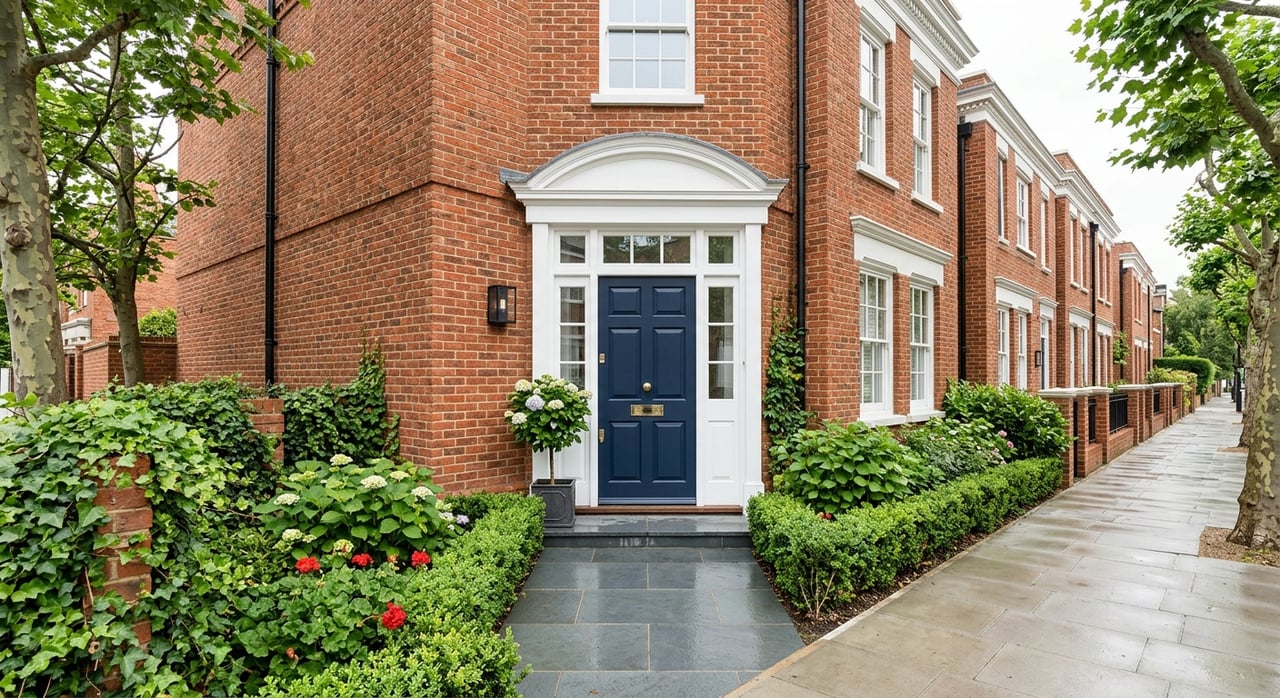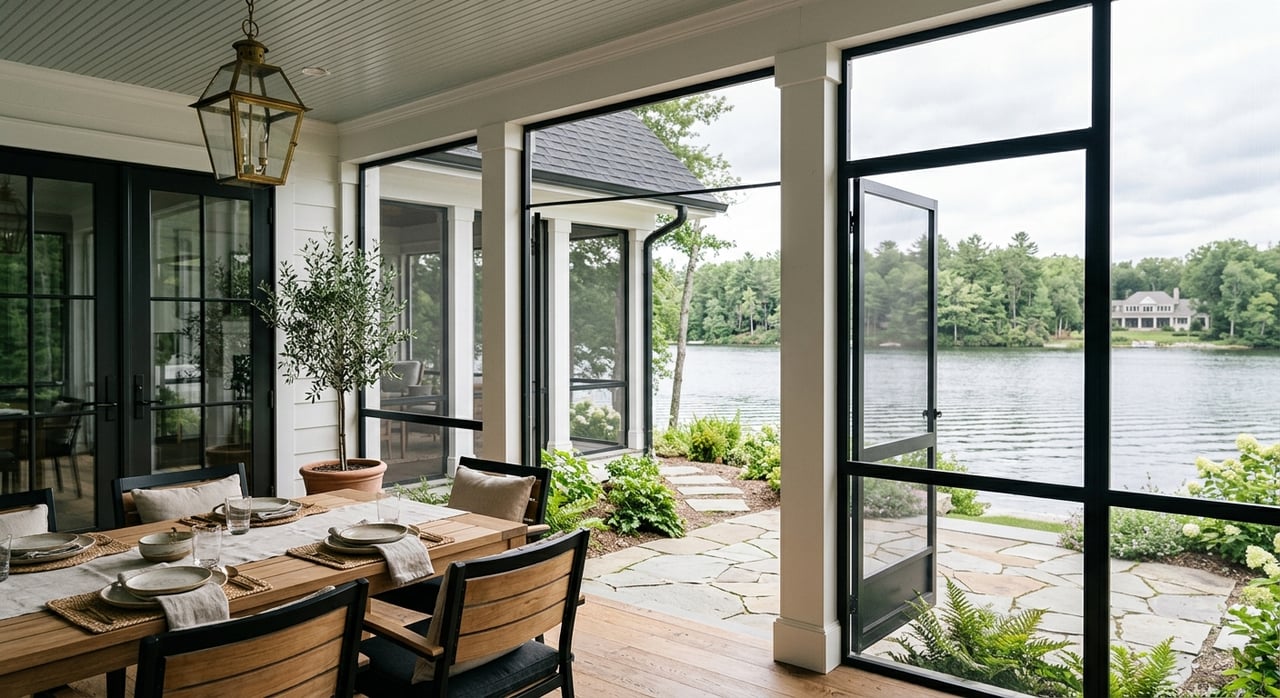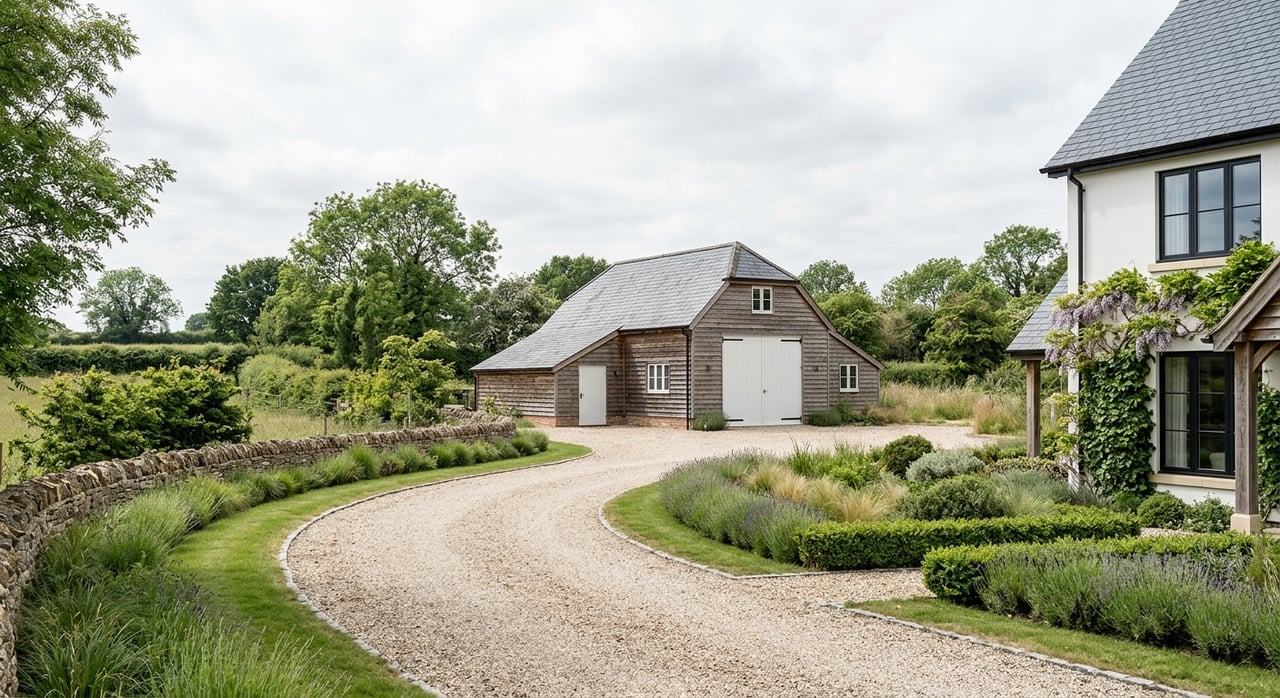
Dreaming about more space in Huntingtown? If you want room to spread out, more privacy, or land for a garden, workshop, or future outbuilding, acreage and large-lot homes can offer a very different lifestyle than a typical neighborhood lot. The tradeoff is that these properties often come with extra planning, maintenance, and due diligence. This guide will help you understand what “large lot” usually means in Huntingtown, what to watch for before you buy, and how to decide if this type of property fits your goals. Let’s dive in.
Why Huntingtown Appeals to Acreage Buyers
Huntingtown offers a rural-but-convenient setting that appeals to buyers who want space without feeling too far removed from everyday needs. Calvert County describes the area as a place where homes with large lots, some farms, small businesses, the post office, and the volunteer fire department exist side by side.
That mix helps explain why buyers are often drawn here for privacy and open space. In Calvert County’s 2025 town-center survey, residents highlighted rural character and open space as important local priorities, along with community services and shopping and dining.
There is also a practical side to the location. Huntingtown is part of Calvert County’s Northern Service Area, so you can enjoy a more spacious property while still staying connected to county services and the larger Route 4 corridor.
What Counts as a Large Lot in Huntingtown
In Huntingtown, a “large lot” often starts around 1 acre and may extend to 3 acres or more, depending on the location and zoning pattern. That general range is supported by Calvert County’s Rural Residential zoning standards.
In the Rural Neighborhood District, single-family detached homes require a minimum lot area of 1 acre. In the Rural Community District, single-family detached homes require a minimum of 3 acres in non-cluster subdivisions and 1 acre in clustered subdivisions.
For buyers, that means acreage in Huntingtown is not just about finding the biggest number on a listing. A 1-acre lot may offer the privacy you want, while a 3-plus-acre parcel may create more flexibility for future use, depending on setbacks, septic placement, topography, and other site conditions.
Why Usable Land Matters More Than Total Land
One of the biggest mistakes buyers make is assuming every acre is equally usable. In reality, the portion of the lot that works for your plans may be smaller than the total parcel size shown in public records or marketing remarks.
Calvert County notes that lot area must satisfy Health Department requirements. On a large-lot property, the usable area can be affected by well and septic locations, easements, setbacks, wood lines, contours, slopes, and stormwater features.
That is why I always encourage buyers to think beyond the headline acreage number. If you want room for a pool, detached garage, barn-style building, garden expansion, or future addition, you need to look closely at how the land is laid out.
Expect Wells and Septic on Many Properties
If you are shopping for acreage in Huntingtown, you should expect many homes to rely on private wells and septic systems. Calvert County says most residents are served by private water systems, individual wells, and traditional septic systems, while public water and sewer are concentrated in pocket communities and town centers.
That does not make a property less desirable. It simply means ownership comes with a different set of responsibilities than homes in fully public utility areas.
Before you buy, it is smart to confirm the type of system in place, the approximate location of the well and septic components, and whether there is documentation on system history. This is especially important if you hope to expand the home later.
Future Projects Need More Review
Acreage buyers often choose these properties because they want flexibility. You may be picturing a detached garage, shed, in-ground pool, deck, solar panels, or a home addition. In many cases, those projects may be possible, but extra land does not mean unlimited placement.
Calvert County’s permitting process routes many well- and septic-served properties through Environmental Health, Zoning, Public Works, and Soil Conservation review when applicable. The county also requires plot plans that show boundaries, existing and proposed structures, driveway location, well and septic location, easements, wood line, contours, and stormwater devices.
The county’s permitting materials also make clear that structures such as pools, sheds, garages or pole barns, decks, solar panels, and additions have setback requirements tied to wells and on-site sewage disposal systems. So if you are buying with future improvements in mind, planning ahead matters.
Additions Can Affect Septic Capacity
This point catches many buyers off guard. In Calvert County, a significant increase in living space or bedrooms can require a septic-system upgrade or replacement if the existing system is no longer adequate.
That means your long-term plans should be part of your buying strategy from day one. A home that works for you now may not automatically support the addition you want later without further review or expense.
If you are considering a property because it has “room to grow,” it helps to evaluate not only the lot size but also the practical limits tied to septic capacity and site layout.
Wooded Lots May Bring Extra Rules
Many Huntingtown acreage properties include wooded or partially wooded land, which can be a big part of their appeal. At the same time, clearing trees is not always as simple as hiring a contractor and getting started.
Calvert County says vegetation removal with disturbances of 5,000 square feet or more can trigger grading and sediment and erosion review. Forest conservation review is also required when clearing is on a lot larger than 40,000 square feet, and tree-cutting operations affecting 1 or more acre of forest or developed woodland in a year can trigger additional review.
If a wooded homesite is part of your vision, it is worth asking early what kind of clearing may be allowed and what approvals could be needed.
Private Roads and Long Driveways Matter
A long driveway can feel peaceful and impressive, but it also comes with responsibility. On large-lot properties, access is one of the most important practical issues to review.
Calvert County says private-road situations require access easements and rights-of-way, and if access is on a state road, a permit from the Maryland State Highway Administration is required. The county also states that private roads are not county-maintained, so owners are responsible for construction, maintenance, repairs, snow removal, and related road services.
In simple terms, you should treat a private lane or long driveway as both a lifestyle feature and a cost item. Drainage, surface condition, shared-use arrangements, and maintenance expectations all deserve a close look.
Outbuildings Still Have Rules
Buyers often assume acreage automatically means easy approval for sheds and other small structures. Sometimes it does make placement easier, but county rules still apply.
Calvert County notes that a shed under 200 square feet may not need a building permit outside the Critical Area, but it still must meet zoning setbacks. Larger sheds require permits, and some locations may require additional review before permit issuance.
This is another reason to match the property to your actual goals. If outbuildings are a key part of your plan, it helps to confirm what the site can reasonably support.
Septic Maintenance Is Part of Ownership
Acreage ownership often means taking a more hands-on approach to property systems. Calvert County’s educational materials say conventional septic tanks should be pumped regularly, often every 2 to 3 years, and neglected systems can clog or fail and require expensive replacement.
For buyers, septic condition and maintenance history should be part of the due diligence process. Ask about pump-out records, system location, and any known repairs or updates.
This is not meant to be alarming. It is simply part of owning a property that relies on private infrastructure instead of public sewer service.
Questions to Ask Before Buying Acreage
If you are considering a large-lot home in Huntingtown, these questions can help you stay focused:
- How much land do you actually need for your lifestyle?
- Is the home served by a private well and septic system?
- Where are the well, septic components, and drain field located?
- Can the lot support the future features you want?
- Is access by public road, private road, or shared easement?
- Who maintains the driveway or lane?
- Are there zoning, Environmental Health, HOA, POA, or Agricultural Preservation factors to confirm?
- Is there wooded area that may require review before clearing?
These questions can save you time and help you avoid falling in love with a property that does not fit your long-term plans.
How to Decide If a Large-Lot Home Fits You
A large-lot home in Huntingtown may be a great fit if you value privacy, open space, and flexibility more than a compact suburban setting. It can also be a smart choice if you are comfortable with more maintenance and want a property that feels more rural while staying connected to Calvert County.
At the same time, more land usually means more systems, more upkeep, and more planning for future projects. The right property is not just the one with the most acreage. It is the one that supports the way you actually want to live.
If you are weighing acreage options in Huntingtown, I can help you look beyond the listing photos and compare the real-world differences between parcels, access, improvements, and long-term potential. When you are ready to talk through your goals, connect with Samantha Bowling for a free consultation.
FAQs
What is considered a large-lot home in Huntingtown?
- In Huntingtown, large-lot homes often start around 1 acre, with many acreage-style properties extending to 3 acres or more depending on zoning and location.
Do Huntingtown acreage homes usually have well and septic systems?
- Many do. Calvert County says most residents are served by private water systems, individual wells, and traditional septic systems, especially outside pocket public utility areas.
Can you add a shed, barn, or pool to a Huntingtown large-lot property?
- Often yes, but Calvert County may review setbacks, grading, septic impact, and other site conditions before approving the project.
Who maintains a private road or long driveway in Huntingtown?
- If the road is private, the owners are responsible for maintenance, repairs, snow removal, and related services because the county does not maintain private roads.
What should you verify before buying acreage in Huntingtown?
- You should confirm zoning, access, well and septic details, future improvement potential, and whether any HOA, POA, Environmental Health, or Agricultural Preservation rules affect the property.